Table of contents
In many cities, the passport you hold rarely comes up in daily conversation, yet the legal status behind it can quietly shape how you move, what you can buy, and how easily you can cross borders when work or family calls. As governments tighten security checks and airlines digitize screening, “citizenship” is no longer an abstract idea, it can determine which routes are realistic, which documents you must show, and how much friction you meet at every checkpoint, from a metro pass to an international transit visa.
Border rules now dictate daily mobility
Ever missed a connection because of paperwork? For millions of travelers, the most important “transportation option” is not the timetable, it is whether they are allowed to board in the first place. Airlines, ferry operators, and even some long-distance bus companies have become front-line enforcers of immigration rules, using advanced passenger information systems that flag document issues before a person reaches the gate. The trend accelerated after the pandemic, as states layered health requirements onto existing visa and security controls, and while most health checks have faded, the infrastructure of pre-screening has stayed, becoming more automated and more unforgiving for people who travel often.
That matters because the practical value of a route depends on citizenship-linked access, including visa policies, transit permissions, and the right to enter, exit, or transfer through hubs. A flight from one region to another can be “direct” on paper, yet effectively impossible if a traveler needs a transit visa for the connecting airport, or cannot meet proof-of-onward-travel rules. The numbers behind this are not marginal. According to the International Air Transport Association (IATA), air travel reached a record 4.7 billion passengers in 2024, and the industry’s shift toward digital identity and automated checks means more of those passengers will be filtered earlier in the journey. At the same time, the scale of global movement remains huge: the UN World Tourism Organization (UN Tourism) reported 1.3 billion international tourist arrivals in 2023, showing how often border policy intersects with routine travel.
In cities, ID requirements shape commuting
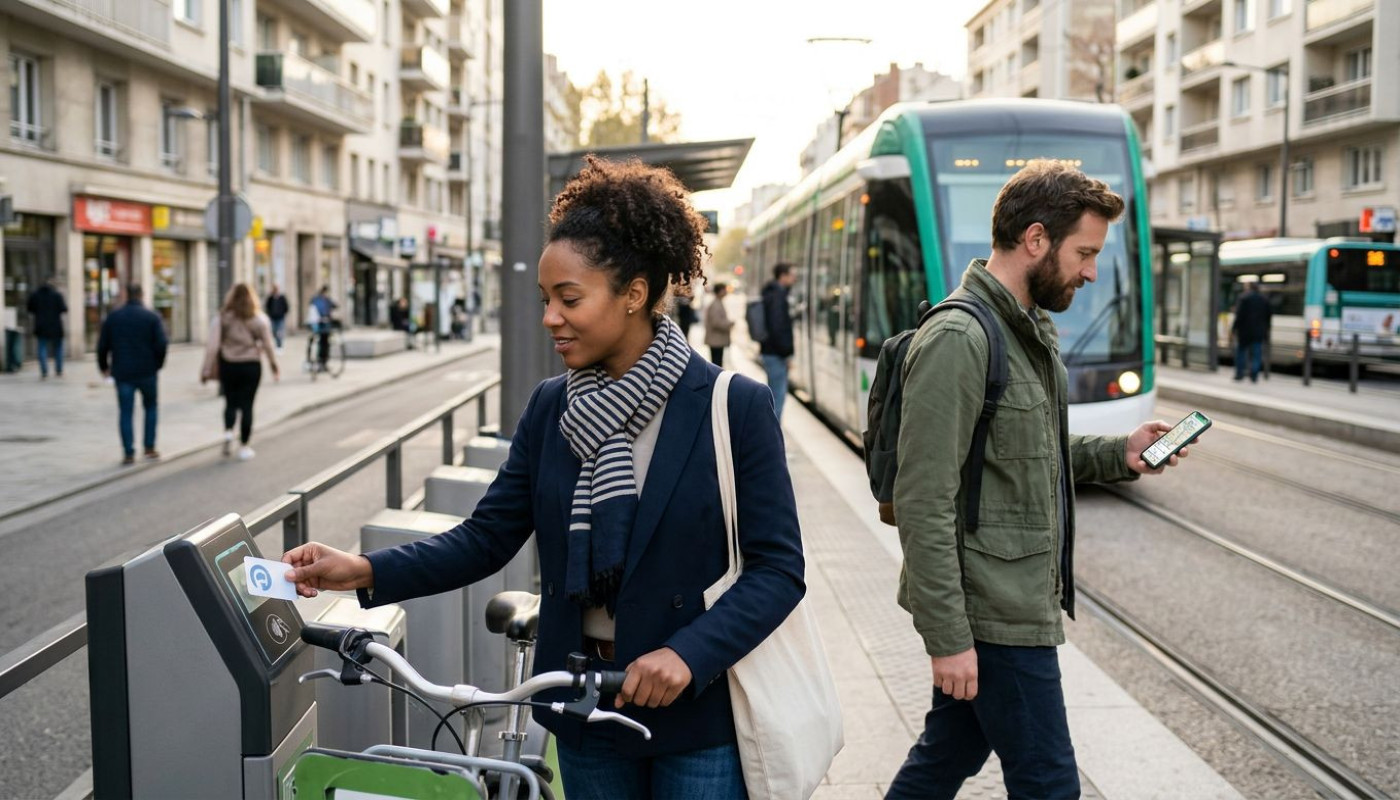
Can you buy a monthly pass without hassle? In many major metros, transport has become tied to identification in ways that were rare a decade ago, largely because cities are moving toward account-based ticketing, app-linked passes, and anti-fraud measures. The shift is not uniform, but the direction is clear: more systems want a verified profile, a bank card, or a registered account, and for newcomers, students, and foreign workers, the friction is often about documents rather than money. Even where public transport remains open-access, the surrounding ecosystem, from bike-share subscriptions to car-sharing insurance checks, can require a local address, a residency card, or a national ID number, turning “mobility” into an administrative process.
This is not just inconvenience; it can change behavior. If a visitor cannot access the cheapest fare category, they may default to taxis or ride-hailing, raising costs and sometimes pushing them toward informal transport. If a resident without stable documentation cannot register for a discounted transit program, their commute becomes more expensive relative to income, and that can affect job choice and geography. The stakes are high because cities are trying to reduce car dependency. The International Energy Agency has repeatedly noted that transport is a major source of energy-related emissions, and urban policy increasingly treats public transit, cycling, and shared mobility as climate tools. Yet the most climate-friendly option is only “available” if the user can navigate the paperwork, the payment rails, and the identity checks that come with modern systems.
Air hubs reward some passports, penalize others
Choose a hub, choose your friction. Global aviation runs through a limited number of high-capacity transfer airports, and many of them sit inside jurisdictions with strict transit rules. A traveler’s citizenship can determine whether a short layover is a simple walk to the next gate, or a bureaucratic detour involving visas, interviews, extra fees, and missed flights. That gap affects route planning, ticket prices, and even safety, because travelers who fear being denied boarding may choose longer routes, less reputable carriers, or complicated land crossings to avoid a problematic transit point.
The unequal geography of mobility is measurable, and passport “strength” has become a shorthand for it, even if the underlying reality is more complex than a ranking. The Henley Passport Index, one widely cited benchmark, has often shown top passports offering visa-free or visa-on-arrival access to well over 180 destinations, while many others sit far lower. For frequent travelers, that delta is not cosmetic; it affects whether last-minute work trips are feasible, whether family emergencies can be handled without weeks of lead time, and whether a connecting itinerary through a major hub will trigger a transit visa requirement. It also affects airline behavior: carriers face fines if they transport passengers who lack correct documentation, so they often apply conservative interpretations of entry and transit rules, and when rules are ambiguous, the passenger typically pays the price in denied boarding or forced rebooking.
These realities help explain the growing interest in mobility planning that includes legal status, not only residency permits, but also citizenship choices. Some people explore second citizenship as a way to reduce friction across air corridors, expand hub options, and simplify entry processes that are otherwise repetitive and costly. For readers assessing this landscape, an up-to-date overview of Vanuatu passport benefits 2026 can be part of understanding how different nationalities translate into real-world travel access, and what that might mean for route flexibility, transit requirements, and the predictability of cross-border movement.
When mobility is policy, costs follow
Freedom to move always has a price tag. Sometimes it is obvious, a visa fee, a fast-track charge, an added document translation, or the cost of extra nights in a hotel while waiting for an appointment. Sometimes it is hidden, a higher airfare because the only viable itinerary avoids certain hubs, or lost income because a traveler cannot accept a short-notice assignment. As border systems digitize, travelers are also pushed toward paid convenience: priority lanes, trusted-traveler programs, pre-clearance services, and appointment-based consular processing, all of which can turn time pressure into spending.
Transport policy at the city level adds another layer. Congestion pricing, low-emission zones, tolls, and parking restrictions increasingly shape how people enter urban cores, and these tools can be effective, but they also shift costs onto drivers who lack alternatives. For newcomers, the issue can be compounded by administrative barriers: registering a vehicle, obtaining local insurance, or securing a driver’s license conversion may depend on residency status and document recognition. Even micromobility is not immune. Many e-scooter and bike-share operators require bank cards and in-app identity checks, and cities that license these services often mandate user verification standards. The result is a two-speed mobility market: those who can seamlessly prove identity and residency get the cheapest, greenest options, while those who cannot are pushed toward more expensive or less regulated modes.
In that context, “transportation options” is not just about infrastructure, it is about eligibility. The practical question for individuals is not only where they want to go, but which systems they can reliably access. For families, it may be school runs, healthcare visits, and cross-border caregiving. For businesses, it can be the ability to deploy staff quickly, route shipments with minimal delays, and avoid compliance surprises. And for cities, it is a reminder that inclusive mobility requires more than building lines and lanes; it requires designing access rules that do not unintentionally exclude the very populations public transport is meant to serve.
Planning tips before you book
Start with the paperwork, not the price. Before locking in flights or long-distance routes, travelers should check entry and transit rules for every stop, including connections, because a “no-visa destination” does not guarantee a “no-visa journey.” Airline guidance can be useful, but official government sources and consular advisories remain the safest baseline, especially for transit visas that vary by airport and nationality. If timing is tight, build buffers for secondary screening, and avoid itineraries that depend on same-day visa issuance or unclear transit exemptions; ambiguity at the check-in counter is rarely resolved in the passenger’s favor.
Inside cities, anticipate ID and payment constraints early, and budget accordingly. If a transit system requires registration for discounted fares, bring the documents needed to prove residency or student status, and keep digital copies ready for app onboarding. For visitors, consider day passes that do not require local verification, and if you rely on bike-share or car-share, confirm whether your payment method and identification will be accepted. Finally, when mobility is central to your work or family obligations, it can be worth seeking professional guidance, whether that is an immigration lawyer for status questions, or a travel specialist for complex itineraries, because the cost of a mistake is often higher than the cost of planning.
Getting around, with fewer surprises
Book early when documents are involved, and treat visas, transit permissions, and ID checks as part of the itinerary, not an afterthought. Set a realistic budget for extra fees, and look for official appointment systems or trusted-traveler programs where eligible. In cities, ask about resident fares and mobility aids, and keep paperwork handy, because the easiest route is often the one you are already allowed to take.
Similar

Critical Decision-making Under Financial Uncertainty

Exploring Cost-Effective Ticketing Solutions For Nonprofit Fundraisers

Exploring The Impact Of Social Media Management Tools On Small Business Growth

Impact of GPT Chatbots on the Economy
